You don’t have to be a pro sommelier to know the basics of pairing wine and glass, but it’s a little detail that goes far in terms of cementing your restaurant’s reputation as a place that knows what it’s doing, which is why Stellar USP is here to help with this guide to wine glasses, where we unveil the subtle-yet-significant impact of choosing the right glasses for your reds and whites. Beyond mere glasses, wine glasses are crafted with precision to enhance the aroma, flavor, and overall enjoyment of your favorite wine varietals. In this comprehensive guide, we’ll explore the anatomy of wine glasses, delve into the characteristics of various types, and offer practical tips to elevate your wine-drinking experience.
The Anatomy of a Wine Glass
Before we dive into the specifics, let’s understand the basic anatomy of a wine glass. A typical such glass consists of three main parts: the bowl, stem, and base. The bowl, often tulip-shaped, is designed to capture and concentrate the wine’s aroma, while the stem ensures a proper grip without warming the wine with body heat. The base provides stability and balance, preventing accidental spills.
White Wine Glasses
White wine glasses are characterized by their smaller bowls and narrower openings. These features are deliberate, aiming to preserve the wine’s delicate, zesty aromas and maintain cooler temperatures. For instance, Sauvignon Blanc glasses typically have smaller, U-shaped bowls that direct the wine toward the center of the palate, enhancing its acidity and freshness. Chardonnay glasses, on the other hand, have slightly wider bowls to accentuate the wine’s creamy texture and oaky notes.
Red Wine Glasses
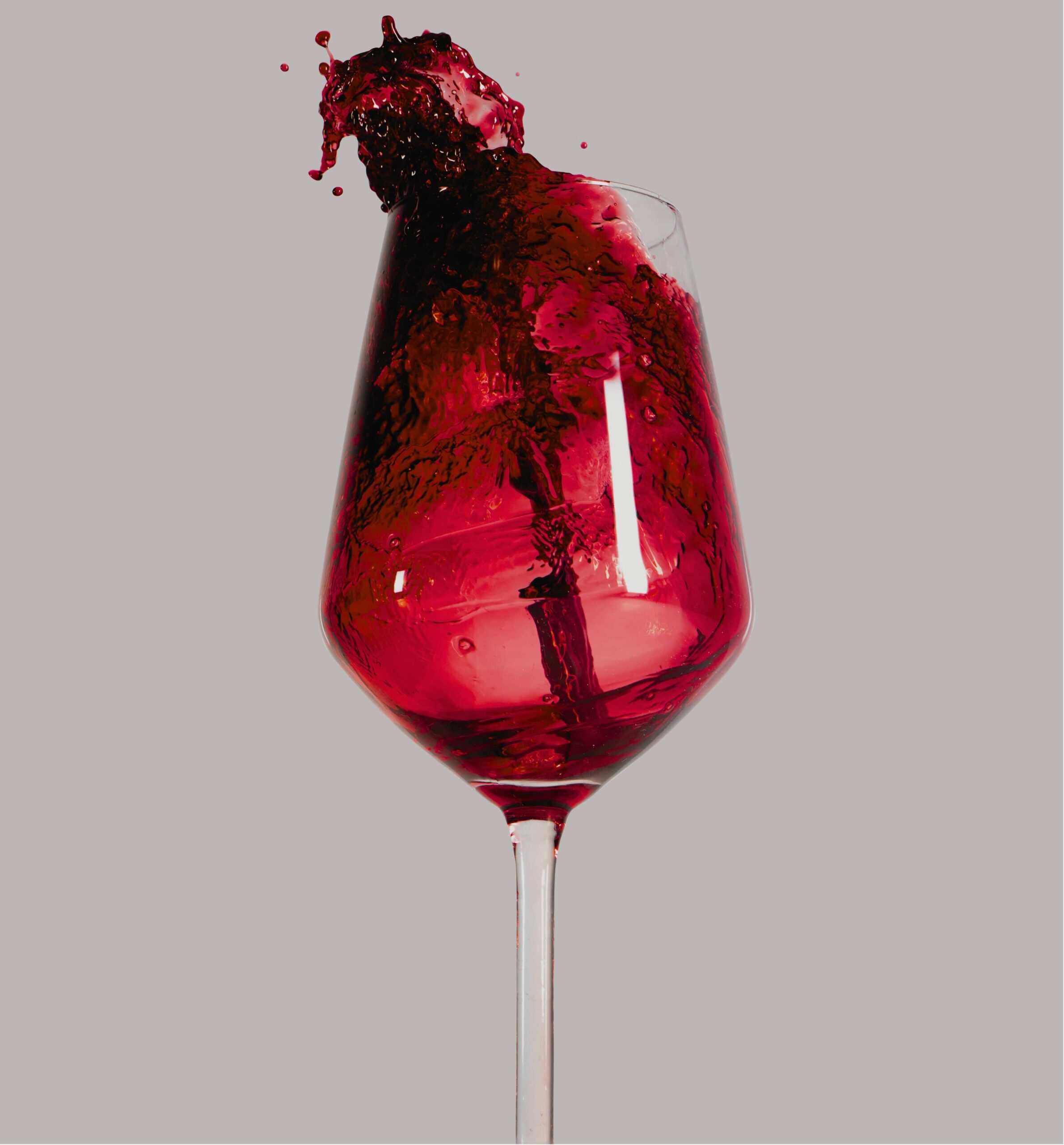
Red wine glasses are distinguished by their larger bowls and wider openings, allowing for greater exposure to oxygen. This aeration process helps soften tannins and release complex aromas, enriching the wine’s flavors. Bordeaux glasses, with their tall, broad bowls, are ideal for bold reds like Cabernet Sauvignon and Merlot, while Burgundy glasses, with their wider bowls and narrower openings, complement the lighter profiles such as Pinot Noir.
Sparkling Wine Glasses
Sparkling wine glasses, also known as flutes, feature tall, narrow bowls and elongated stems to showcase the wine’s effervescence and retain its bubbles. The slender design minimizes surface area, preserving the wine’s carbonation and ensuring a crisp, refreshing taste. Whether you’re sipping Champagne, Prosecco, or Cava, a flute is the perfect glass to enhance your sparkling wine experience.
Dessert Wine Glasses
Dessert wine glasses are smaller in size with a narrow bowl, allowing for concentrated sipping of sweet, fortified wines. The diminutive design encourages slower consumption, savoring each sip’s richness and complexity. Port glasses, for example, have narrow bowls and short stems, enhancing the wine’s sweetness and balancing its higher alcohol content.
In addition to shape and size, the material and design of wine glasses play a crucial role in enhancing the wine-drinking experience. Crystal glasses, renowned for their clarity and thinness, transmit the wine’s flavors more effectively than regular glass counterparts. Proper maintenance, including gentle hand-washing and careful storage, ensures the longevity and pristine condition of your wine glasses. Furthermore, exploring cultural and regional variations unveils unique wine glass styles from renowned wine-producing regions, offering a glimpse into their rich viticultural heritage.
The shape and make of a wine glass are not mere aesthetics but rather essential components that influence the taste, aroma, and overall enjoyment of wine. By selecting the appropriate glassware for each wine varietal, you can unlock its full potential. Explore Stellar USP’s collection of meticulously crafted wine glasses online to enhance your journey into the world of fine wines. Cheers to indulging in the art of wine appreciation! In vino veritas!